Finding the right NDIS SIL home (or supported independent living accommodation) can make a huge difference in a participant’s independence, wellbeing, and daily quality of life. Supported Independent Living (SIL) is more than just a place to live; it’s a blend of environment, support, routine, and community. When these elements come together well, participants can thrive with confidence and stability.
Whether you’re a Support Coordinator, family member, or participant exploring NDIS supported accommodation, here’s a clear and practical guide to understanding what makes a great SIL home.
What Are NDIS SIL Homes?
NDIS SIL homes, sometimes called shared living environments or SIL support homes, are places where participants receive daily living support, personal development assistance, and help accessing the community.
For a detailed breakdown of what SIL includes, you can refer to the official NDIS resource
SIL funding covers the support provided in the home, not the property itself, and is designed for people who need regular or 24/7 assistance.
A high‑quality supported living home should feel safe, predictable, and nurturing, a place where participants can build skills, enjoy meaningful routines, and feel part of a community.
Key Features of High‑Quality SIL Homes
Person‑centred support Staff should be trained, consistent, and focused on each participant’s goals, preferences, and communication style.
Predictable routines Structure helps participants feel secure and reduces stress, especially for those who benefit from clear daily rhythms.
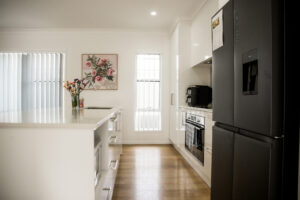
A calm, stable environment Homes should be welcoming, well‑maintained, and designed to support comfort and independence.
Skill‑building opportunities Cooking, cleaning, budgeting, social skills, and community access should be part of everyday life.
Compatibility with housemates Matching participants thoughtfully is essential for harmony, safety, and positive shared living.
24/7 support when required For participants with higher needs, round‑the‑clock care ensures safety and continuity.
For providers, the NDIS offers a detailed guide on delivering SIL supports, which they must follow.
How SIL Homes Support Independence
The goal of SIL is not just support, it’s growth! A good NDIS shared living home encourages participants to:
make choices about their day
learn new skills at their own pace
build confidence in daily living
engage with their community
develop meaningful relationships
Independence looks different for everyone, and SIL housing should adapt to each person’s unique goals.
For accessible information about participant rights and SIL rules, visit the NDIS website here.
Choosing the Right SIL Home
When exploring NDIS supported independent living homes, consider:
What type of support does the participant need?
Is the home environment calm, safe, and well‑matched to their personality?
Are staff trained in communication, behaviour support, or specific health needs?
Does the home encourage independence rather than doing everything for the participant?
Is the support team consistent and reliable?
A walkthrough, meet‑and‑greet with staff, and a compatibility assessment can help determine whether the home is the right fit.
A great NDIS SIL home, or supported living environment, is more than a vacancy. It’s a supportive space where participants can grow, feel valued, and enjoy everyday life with the right level of assistance. With thoughtful matching, skilled staff, and a warm home environment, SIL can be a powerful foundation for independence and wellbeing.
Quad Care currently has two SIL properties in Woodford and D’aguilar, QLD. Reach out to learn more!