What Is Supported Independent Living?
If you’re exploring NDIS home and living supports, you’ve likely come across the term Supported Independent Living (SIL). But what is supported independent living, and how does it help participants build independence, confidence, and stability in everyday life?
This guide breaks down SIL in a simple, practical way so families, Support Coordinators, and participants can understand what SIL is, how it works, and what makes a great SIL home.
What Is Supported Independent Living?
Supported Independent Living (SIL) is an NDIS-funded support that helps people with disability live more independently in a shared home or individual living environment. SIL covers the support provided in the home, not the rent or property costs.
SIL is designed for participants who need regular or 24/7 assistance with daily tasks. The goal is to help people live as independently as possible while receiving the right level of support.
In simple terms: SIL = daily living support + skill building + a safe, stable home environment.
What Does SIL Include?
SIL supports vary depending on each participant’s needs, but commonly include:
Help with daily tasks such as cooking, cleaning, laundry, personal care, and household routines
Skill development in budgeting, meal planning, social skills, and community access
Medication and health support, including prompts and wellbeing routines
Overnight or 24/7 support for participants who need consistent supervision or reassurance
Support with decision-making to encourage independence while providing guidance when needed
SIL is flexible and adapts to each person’s goals, abilities, and preferred routines.
Who Is SIL For?
Supported Independent Living is typically suited to participants who:
need regular or overnight support
benefit from structured routines
enjoy shared living or require a supportive home environment
want to build independence with daily tasks
have medium to high support needs
SIL can be provided in shared homes, individual living arrangements, or purpose-built disability housing.
How SIL Supports Independence
The purpose of SIL isn’t just to provide support; it’s to help participants grow.
A good SIL environment helps people:
make choices about their day
learn new skills at their own pace
build confidence in everyday tasks
develop meaningful relationships
feel safe, valued, and supported
Independence looks different for everyone, and SIL is designed to honour that.
What Makes a Quality SIL Home?
When exploring SIL options, look for homes that offer:
Person-centred support from staff who understand each participant’s communication style, preferences, and goals
Predictable routines that reduce stress and build confidence
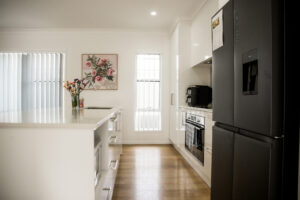
A calm, stable environment that feels safe, welcoming, and well-maintained
Thoughtful participant matching to ensure harmony and compatibility
Consistency and reliability from a team that provides stable, respectful, and professional support
These elements create a home where participants can thrive.
So, what is supported independent living? It’s a structured, supportive way for people with disability to live independently while receiving the daily assistance they need. SIL homes provide stability, skill-building, and a sense of belonging, helping participants live meaningful, confident, and empowered lives.
Looking for a SIL home? We got you covered! Reach out today to start your SIL journey with us!