SDA Housing Sunshine Coast: What Home Should Feel Like
When someone you love needs a safe, supportive place to live, the word home becomes more than a roof and four walls. It becomes safety. Predictability. Calm. A place where they can grow, feel understood, and be supported in ways that truly match their needs.
On the Sunshine Coast, Specialist Disability Accommodation (SDA) homes are designed under strict NDIS guidelines to provide exactly that. But those guidelines aren’t just technical requirements. They exist because real people, real families, and real lives depend on environments that protect, support, and empower.
This is what SDA housing on the Sunshine Coast is meant to feel like.
Why SDA Guidelines Exist: The Human Reason Behind the Rules
The NDIS SDA design standards outline specific features for different support needs. But behind every guideline is a story, a loved one who needs a safer bathroom, a person who needs a quiet space to regulate, a family who needs reassurance that their loved one is protected.
For example:
Wide circulation spaces aren’t just about accessibility. They prevent falls, reduce frustration, and allow support workers to assist safely.
Reinforced walls in Robust SDA homes aren’t about containment. They protect a loved one who may become physically behavioural during moments of overwhelm.
Low‑stimulus design isn’t just a sensory feature. It creates calm for someone who experiences anxiety, sensory overload, or unpredictable emotional responses.
Smart‑home technology isn’t about convenience. It gives a person control over their environment, often for the first time.
Every requirement exists because someone needed it.
For Families Supporting a Loved One With Physical or Behavioural Needs
If your loved one becomes physically behavioural, you already know how important the environment is. A typical home can unintentionally create risk: sharp corners, fragile materials, unsecured fixtures, overstimulating spaces.
A purpose‑built SDA home on the Sunshine Coast is designed to remove those risks.
It may include:
impact‑resistant walls and materials
secure windows and fixtures
quiet zones for regulation
layouts that reduce triggers
safe spaces for support workers to intervene
durable fittings that withstand high‑impact behaviour
predictable, low‑stimulus environments
These features aren’t about restricting your loved one. They’re about protecting them. They’re about giving them a home where they can be themselves without fear of injury, judgement, or constant correction.
What Home Should Feel Like for Your Loved One
Home should feel like safety.
A place where your loved one can move freely without being at risk. Where they can express themselves without breaking something fragile. Where they can calm down without being overwhelmed by noise, clutter, or bright lights.
Home should feel like dignity.
A place where your loved one has control over their environment. Where assistive technology supports independence. Where design choices respect their sensory, physical, and emotional needs.
Home should feel like belonging.
A place that doesn’t feel clinical or institutional. A place that feels warm, modern, and genuinely lived‑in. A place where your loved one can personalise their room, build routines, and settle.
Home should feel like relief, for you, and for them.
The Sunshine Coast Advantage
The Sunshine Coast offers something special for SDA living: calm.
The slower pace, access to nature, and strong community networks create an environment where people can thrive. SDA homes here are often located near:
community programs
parks and outdoor spaces
quiet residential areas
essential supports and transport
It’s a region that naturally supports wellbeing.
More Than a House: A Thoughtfully Designed Environment
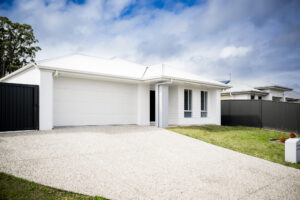
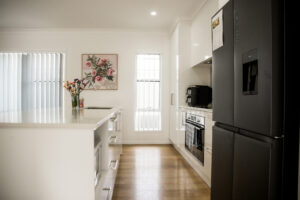
When families walk into a Quad Care SDA home, the most common reaction is that it feels different. Not because it’s new or modern but because it feels considered.
Every detail has a purpose.
Every space has been designed with someone’s lived experience in mind.
It’s not just a house. It’s a home built around the needs of the loved one who will live there.