SCHADS Level 2 Explained: Duties, Responsibilities and Career Pathways for Disability Support Workers
The SCHADS Award classification system can be confusing for both disability support workers and employers. One of the most common questions in the disability sector is:” What is a SCHADS Level 2 support worker?”
For many disability support workers, SCHADS Level 2 is where their journey begins. It is one of the most common classifications used throughout the disability services sector and applies to workers providing direct support to people living with disability, older Australians and community members who require assistance to live independently. The SCHADS Award provides the framework that helps determine classification levels, pay conditions and responsibilities within disability services. [fairwork.gov.au]
This guide explains what SCHADS Level 2 means, the types of duties commonly performed at this classification level, how it compares to higher classifications and what career pathways may be available.
What Is SCHADS Level 2?
SCHADS Level 2 is a classification level commonly used within disability support, home care and community services roles. Employees at this level typically perform practical support duties while working under established systems, policies and procedures.
Level 2 workers are expected to apply their training, skills and experience to support participants safely and effectively while receiving direction and support from supervisors when required.
For many organisations, Level 2 is the most common classification for disability support workers providing one-on-one supports in homes and communities.
What Does a SCHADS Level 2 Disability Support Worker Do?
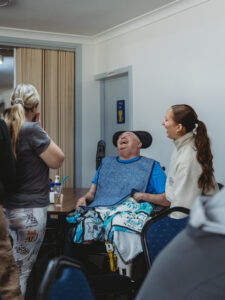
A SCHADS Level 2 worker focuses primarily on delivering direct support to participants.
Their role is often centred around helping individuals achieve greater independence, choice and control while supporting everyday activities.
Common responsibilities may include:
- Personal care assistance
- Community access and social participation
- Transport to appointments and activities
- Supporting daily living skills
- Domestic assistance
- Medication support (where appropriately trained)
- Supporting communication and independence
- Promoting participant choice and control
- Maintaining progress notes and documentation
Every participant is different, so no two shifts are exactly the same.
A support worker may spend one morning helping a participant attend a medical appointment and the afternoon assisting someone else with shopping, meal preparation or community engagement.
Key Responsibilities of a Level 2 Support Worker
While Level 2 employees deliver direct support, the role involves much more than simply assisting with tasks.
Building Positive Relationships
Support workers often become an important part of a participant’s support network.
Level 2 employees are expected to:
- Treat participants with dignity and respect
- Support individual goals
- Maintain professional boundaries
- Communicate effectively
- Encourage independence wherever possible
Following Care Plans
Workers are generally required to follow established support plans and organisational procedures.
This may include:
- Behaviour support strategies
- Risk management plans
- Allied health recommendations
- Clinical instructions
- Individual goals and outcomes
Documentation and Reporting
A key part of the role includes:
- Recording shift notes
- Reporting incidents
- Escalating concerns
- Tracking participant progress
Accurate documentation helps ensure continuity of care and quality service delivery.
Skills Required for a SCHADS Level 2 Role
While qualifications vary between employers, successful disability support workers often demonstrate:
Communication Skills
Being able to communicate clearly with participants, families and team members.
Problem-Solving Ability
Responding appropriately to everyday challenges while maintaining participant safety and wellbeing.
Empathy and Compassion
Understanding each person’s unique circumstances and supporting them respectfully.
Reliability
Participants depend on consistent support and dependable workers.
Adaptability
Support environments can change quickly, requiring workers to be flexible and responsive.
Typical SCHADS Level 2 Positions
Common positions that may fall within a Level 2 classification include:
- Disability Support Worker
- Community Support Worker
- Home Care Worker
- Support Assistant
- Personal Care Worker
- Community Participation Worker
- In-Home Support Worker
The exact classification depends on the duties being performed rather than the job title alone.
SCHADS Level 2 vs SCHADS Level 3
A common question from support workers is whether they should be classified as Level 2 or Level 3.
While individual circumstances vary, Level 3 positions generally involve greater autonomy and responsibility.
SCHADS Level 2
- Direct participant supports
- Routine service delivery
- Following existing procedures
- Working under supervision when required
- Limited leadership responsibilities
SCHADS Level 3
- Greater decision-making responsibilities
- Coordinating support activities
- Mentoring other workers
- Increased independence
- More complex service delivery
As workers gain experience and take on additional responsibilities, they may progress into higher classifications.
Career Progression from SCHADS Level 2
One of the strengths of the disability sector is the opportunity for career progression.
Many workers begin at Level 2 before progressing into roles such as:
- Senior Support Worker
- Lead Support Worker
- Team Leader
- Service Coordinator
- Specialist Support Roles
- Allied Health Assistant Roles
- Behaviour Support Pathways
- Community Nursing Support Roles
Experience gained as a frontline support worker provides a strong foundation for future leadership opportunities within disability and community services.
Why Classification Matters
Correct classification benefits both employees and employers.
For employees, it helps ensure:
- Appropriate remuneration
- Clear career pathways
- Recognition of skills and responsibilities
For employers, correct classification supports:
- Award compliance
- Payroll accuracy
- Workforce planning
- Risk management
As the disability sector continues to grow, maintaining a clear understanding of SCHADS classifications remains an important part of delivering quality supports and building a sustainable workforce.
Working as a SCHADS Level 2 Support Worker
A Level 2 role is often one of the most rewarding careers available in disability services.
Every day provides opportunities to:
- Support independence
- Build meaningful relationships
- Help participants achieve goals
- Promote inclusion
- Make a genuine difference in someone’s life
Whether supporting someone to attend work, access the community, develop new skills or remain living independently, Level 2 support workers play a vital role in helping people live the life they choose.
Frequently Asked Questions
What is a SCHADS Level 2 support worker?
A SCHADS Level 2 support worker is generally responsible for providing direct support to participants while working within established organisational policies, procedures and support plans.
Is a disability support worker usually SCHADS Level 2?
Many disability support worker roles are classified at Level 2, although classification depends on the duties performed and individual circumstances.
What qualifications do I need for SCHADS Level 2?
Requirements vary between employers. Many employers value relevant experience, industry training and nationally recognised qualifications.
Can I move from Level 2 to Level 3?
Yes. As workers gain experience, develop additional skills and take on more responsibility, progression opportunities may become available.
Does SCHADS Level 2 apply to home care workers?
Some home care and community support positions may fall within Level 2 classifications depending on the work being performed.