
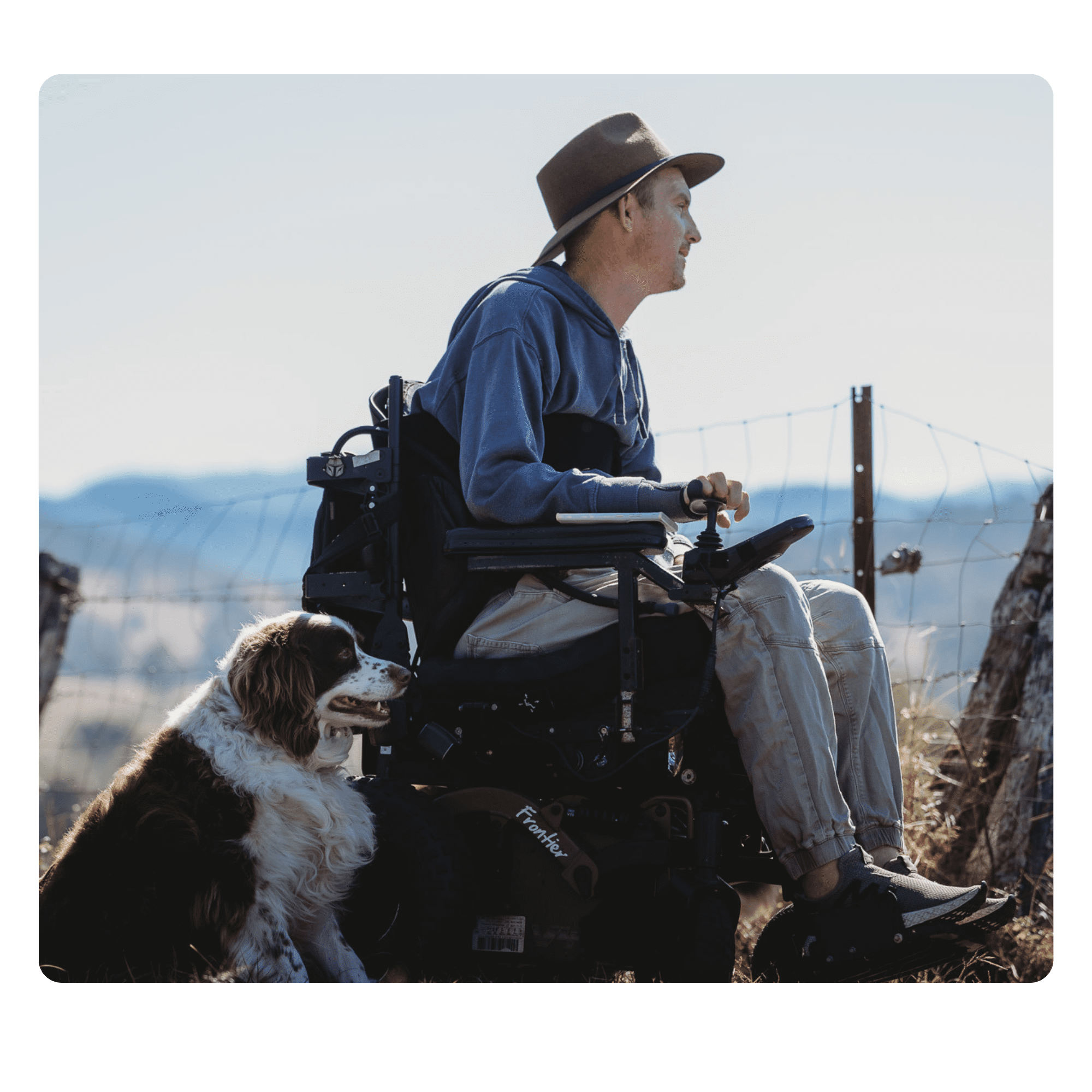
Essential Resources for Spinal Injury Support
A spinal injury can be life‑changing, affecting mobility, independence, health, and emotional wellbeing. The impact often extends beyond the individual to include family members, carers, and support networks. Accessing the right spinal injury support resources is essential for navigating recovery, long‑term adjustment, and everyday life.
This guide outlines essential resources for spinal injury support, including rehabilitation services, peer networks, online resources, and financial and advocacy supports. It is designed to help individuals and families find practical, reliable assistance and connection.
Understanding Spinal Injury Support Needs
Support needs following a spinal injury vary depending on:
- the level and completeness of the injury
- the stage of recovery
- personal goals, environment, and support systems
Effective spinal injury support takes a holistic approach, addressing physical, emotional, social, and practical needs.
Common spinal injury support needs include:
- physical rehabilitation and therapy
- emotional and mental health support
- assistance with daily living and mobility
- financial, legal, and advocacy guidance
Addressing these areas together supports better outcomes and quality of life.
Spinal Cord Injury Support Groups and Peer Networks
Spinal cord injury support groups provide vital emotional and social support. Connecting with others who have lived experience of spinal injury can reduce isolation and provide practical insight that complements clinical care.
Peer support networks offer:
- shared understanding and encouragement
- practical tips for daily living and mobility
- mentoring from people further along their recovery journey
Benefits of Peer and Support Groups
- regular group meetings (in person or online)
- online forums and social media communities
- peer mentoring and lived‑experience education
These networks foster connection, confidence, and resilience.
Key Spinal Injury Support Services
Access to specialised services plays a critical role in recovery and long‑term independence following spinal injury.
Rehabilitation and Allied Health Services
Specialised rehabilitation services may include:
- physiotherapy
- occupational therapy
- speech pathology (where relevant)
- pain management
- psychological support
Rehabilitation centres and community‑based allied health services focus on restoring function, building skills, and supporting independence.
Non‑Profit and Community Organisations
Many non‑profit organisations provide:
- education and information
- advocacy and policy support
- peer programs and community connection
- financial or equipment assistance
These services can significantly reduce the practical and emotional burden of spinal injury.
Online Communities and Digital Spinal Injury Resources
Digital resources offer accessible, ongoing support, particularly for individuals in rural or remote areas.
Helpful online spinal injury resources include:
- moderated online forums and peer communities
- educational webinars and podcasts
- trusted websites and blogs with lived‑experience insight
Online platforms allow people to access information, share experiences, and stay connected at any stage of recovery.
Financial, Legal, and Advocacy Support for Spinal Injury
Spinal injury often brings significant financial and legal considerations. Accessing the right advice early can reduce stress and improve long‑term planning.
Financial Support
Financial resources may assist with:
- medical and therapy costs
- equipment and home modifications
- transport and daily living expenses
Legal and Advocacy Support
Legal and advocacy services help individuals understand:
- rights and entitlements
- insurance or compensation pathways
- NDIS access and planning
- workplace and accessibility rights
Advocacy organisations also play a key role in improving accessibility, inclusion, and policy reform.
Building a Strong Spinal Injury Support Network
A strong support network is essential for long‑term wellbeing following spinal injury. This network may include:
- family and friends
- allied health professionals
- peer mentors and support groups
- community and disability services
Ways to Strengthen Your Support Network
- join local or online spinal injury support groups
- attend education sessions or workshops
- engage in peer mentoring programs
- connect regularly with healthcare and support professionals
Strong connections improve confidence, independence, and quality of life.
NDIS Spinal Injury Support and Allied Health Services
- Occupational therapy to support daily living, independence, equipment needs, and home modifications
- Physiotherapy to support movement, strength, positioning, and mobility
- Speech pathology where communication or swallowing is impacted
- Psychology and counselling to support emotional wellbeing and adjustment
- Functional and capacity‑building supports delivered in real‑life environments
- Occupational Therapy at Quad Care – https://quadcare.com.au/occupational-therapy/
- Contact Quad Care – https://quadcare.com.au/contact-us/
Conclusion
Living with a spinal injury presents complex challenges, but comprehensive spinal injury support resources can make a meaningful difference. From rehabilitation services and peer networks to financial and advocacy support, the right combination of resources helps individuals and families navigate recovery and long‑term adjustment.
Accessing support early, staying informed, and building strong connections empowers people with spinal injury to live full, engaged lives with confidence and choice.